
In recent years, remote work has emerged as a transformative force in the world of employment. As technology continues to advance and the benefits of remote work become increasingly evident, it’s clear that this trend is here to stay. In this article, we’ll explore the various aspects of remote work and why embracing it as a long-term strategy can lead to a more diverse, sustainable, and digitally oriented future of work.
Expanding the Talent Pool

One of the most significant advantages of remote work is its ability to expand the talent pool. In traditional work settings, companies are often limited to hiring individuals who live within a commutable distance from their physical offices. However, remote work erases these geographical boundaries, allowing businesses to tap into a vast and diverse pool of talent.
- Diversity in Talent Acquisition: Remote work eliminates the need for employees to relocate for job opportunities, breaking down barriers that have historically hindered diversity in the workforce. Companies can now access talent from different regions, cultures, and backgrounds, enriching the workplace with a variety of perspectives and fostering innovation.
- Access to Specialized Skills and Expertise: Embracing remote work allows companies to access specialized skills and expertise that may not be readily available in their local talent pool. Whether it’s a niche technology skill or specific industry experience, businesses can now recruit the best talent globally, ensuring they have the right people to drive their success.
- More American’s are embracing remote work: A recent article published by McKinsey mentions that 58% of 25,000 surveyed were working remotely at least 1 day a week.
Environmental Benefits

Remote work offers not only advantages for businesses but also significant environmental benefits. As companies reduce their reliance on physical offices, several eco-friendly outcomes emerge.
- Reducing Carbon Emissions: Remote work leads to a reduction in carbon emissions as employees eliminate the need for daily commuting. Fewer cars on the road translate to less air pollution and a smaller carbon footprint, contributing to environmental sustainability.
- Sustainable Office Spaces: Companies that embrace remote work often require smaller physical office spaces or opt for sustainable office designs that prioritize energy efficiency and environmental responsibility. This shift aligns with global efforts to create greener workplaces.
- Supporting Sustainable Lifestyles: Remote work empowers employees to design their workspaces in ways that align with their eco-friendly values. This includes choosing environmentally conscious home offices, reducing waste, and adopting sustainable practices in their daily routines. A remote work culture encourages individuals to be more conscious of their environmental impact.
Evolution of Physical Offices
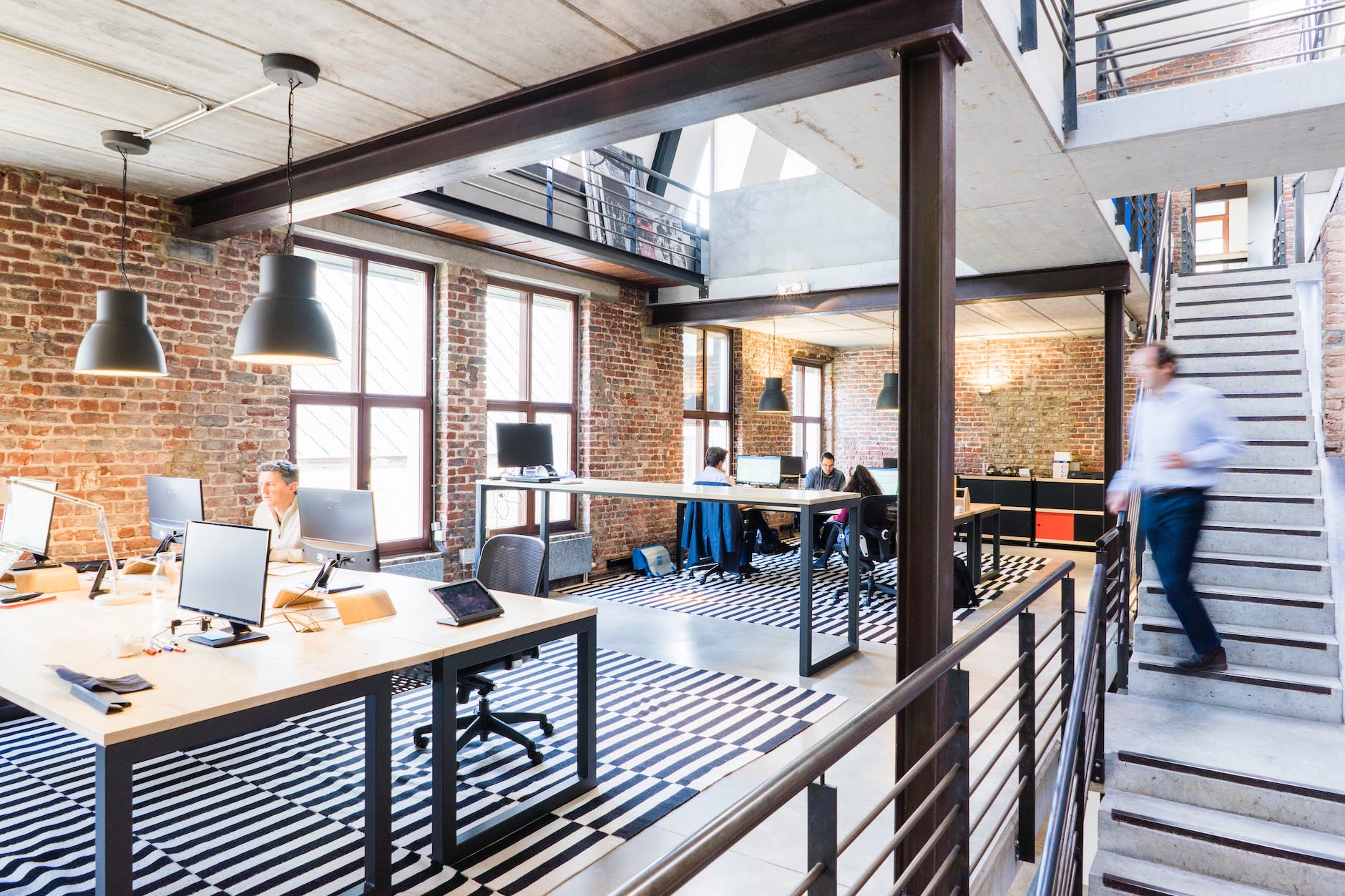
As remote work becomes a long-term strategy, the role of physical offices is also evolving. Offices are transitioning from being the primary workspace for employees to becoming versatile hubs with a different focus.
- Collaboration Hubs: Physical offices are evolving into collaboration hubs where employees come together for face-to-face interactions, brainstorming sessions, and team-building activities. These spaces are designed to foster creativity and innovation, providing an environment conducive to teamwork.
- Meeting Places: Rather than serving as a daily destination, offices are becoming meeting places where employees gather periodically for crucial discussions, presentations, and strategic planning sessions. This optimizes the utilization of physical office space while preserving the value of in-person interactions.
- Flexibility and Employee Choice: Employees are gaining the flexibility to choose when and how often they come into the office, aligning with their work preferences and needs. This flexibility empowers individuals to strike a balance between remote work and in-person collaboration.
Emphasis on Digital Literacy and Soft Skills

In an increasingly digital work environment, certain skills are becoming more critical than ever. Embracing remote work as a long-term strategy places a strong emphasis on digital literacy and soft skills.
- Digital Literacy: Remote work relies heavily on digital tools and platforms. Employees must be digitally literate and capable of using various software, communication tools, and project management platforms effectively. Companies are investing in digital literacy training to ensure their workforce is well-equipped for remote collaboration.
- Adaptability: The ability to adapt to changing circumstances and technologies is a prized skill in the remote work landscape. Remote employees often encounter different challenges and work dynamics, making adaptability essential for staying productive and agile.
- Communication Skills: Effective communication is paramount in remote work scenarios. Employees must excel in written and verbal communication, virtual presentations, and video conferencing. Clear and concise communication ensures that remote teams stay connected and aligned, despite physical distances.
- Problem-Solving Skills: Remote workers may face unique challenges when working independently. Strong problem-solving skills are essential for troubleshooting issues, making decisions, and finding solutions without immediate physical support.
Conclusion
The future of work is undergoing a profound transformation, with remote work practices at its core. Embracing remote work as a long-term strategy offers numerous benefits, from expanding the talent pool and reducing carbon emissions to redefining the role of physical offices and emphasizing essential digital literacy and soft skills. As we move forward, businesses that prioritize remote work are not only adapting to the changing times but also contributing to a more diverse, flexible, and sustainable work landscape that aligns with the demands and opportunities of the digital age.
In conclusion, remote work is not just a passing trend but a fundamental shift that will continue to shape how and where we work in the years to come. By embracing remote work as a long-term strategy, businesses can harness its potential to build a brighter, more inclusive, and environmentally conscious future of work.